Understanding Brand Archetypes — The First Four Personalities
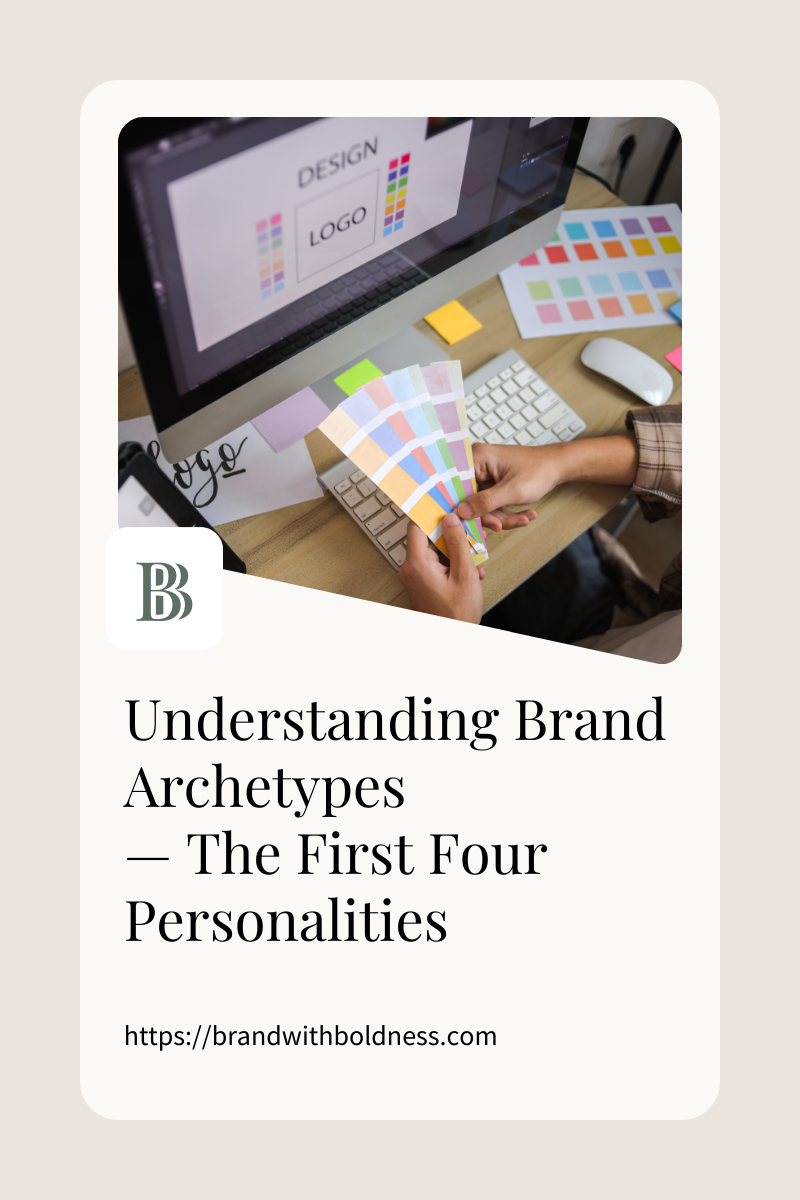
It’s not what you sell — it’s how you sell it. That’s the part most entrepreneurs overlook when they think about branding.
People don’t connect with products. They connect with personalities. They connect with stories. They connect with the feeling of “this brand gets me.” Archetypes give us a way to shape that feeling intentionally — not by guessing, but by tapping into patterns that have existed in the human psyche for centuries.
C.G. Jung believed that we all share a “collective unconscious,” a deep well of instincts and symbolic characters that show up across cultures. These characters — archetypes — are the reason we instantly recognize the rebel, the hero, the sage, the innocent. They’re familiar. They’re comforting. They’re universal.
Brands can tap into these same patterns.
Let’s explore the first four archetypes and how they shape a brand’s personality.
1. The Innocent
The Innocent brand is pure, simple, and optimistic. It wants to do the right thing and make life feel a little lighter. Think of brands that promise “clean,” “natural,” or “simple” experiences — they’re tapping into this archetype.
What it looks like:
Soft colors
Minimal design
Honest, gentle messaging
A focus on purity, goodness, and trust
Why it works: People crave simplicity. They want to feel safe. They want to trust the brands they bring into their homes and lives.
The risk: If pushed too far, the Innocent can feel childish, naive, or overly simplistic..
Who should use this personality: Brands in wellness, natural products, skincare, children’s goods, or anything rooted in purity, safety, and simplicity. Perfect for entrepreneurs who value honesty, transparency, and a “feel‑good” experience.
2. The Explorer
The Explorer brand is driven by freedom, adventure, and self‑discovery.
What it looks like:
Earthy tones
Bold imagery
Messaging that celebrates individuality
Why it works: People want to feel free and self‑directed.
The risk: Can feel aimless without clear direction.
Who should use this personality: Travel brands, outdoor gear companies, lifestyle coaches, adventure‑focused businesses, and startups that encourage personal growth or exploration. Ideal for founders who value independence and discovery.
3. The Sage
The Sage brand values truth, wisdom, and knowledge.
What it looks like:
Neutral colors
Structured layouts
Educational messaging
Why it works: People want to feel informed and guided by expertise.
The risk: Can feel cold or condescending if not balanced with warmth.
Who should use this personality: Coaches, educators, consultants, researchers, and brands that sell knowledge‑based products. Perfect for entrepreneurs who naturally teach, explain, and guide.
4. The Outlaw
The Outlaw brand disrupts, challenges, and provokes.
What it looks like:
High contrast
Bold visuals
Rebellious messaging
Why it works: People love brands that break the mold.
The risk: Can feel reckless or controversial if pushed too far.
Who should use this personality: Disruptive startups, edgy fashion brands, bold creators, and businesses that challenge industry norms. Ideal for founders who thrive on shaking things up.
Understanding these first four archetypes is the beginning of seeing your brand through a completely different lens — not as a collection of colors, fonts, or logos, but as a living personality people can actually connect with. When you know the story your brand is meant to tell, everything else becomes easier: your visuals, your messaging, your offers, even the way you show up online.
Whether you see yourself in the Innocent, the Explorer, the Sage, or the Outlaw, each archetype gives you a foundation to build from — a way to create a brand that feels intentional, aligned, and unmistakably you.
And this is just the start. There are eight more archetypes waiting to be explored, each with its own strengths, risks, and emotional pull.


When you choose the right archetype, everything becomes easier: your messaging, your visuals, your tone, and the way you show up online. It gives your brand a backbone — something consistent, recognizable, and deeply human.